About Fiberglass Mesh Fabric
We import Fibre Glass Mesh ranging from 45 gsm to 350 gsm are made nonalkaline, with high quality special glass yarns. The required chemical and physical characteristics as well as dimensional stability are achieved through special alkaline resistant finishes. Providing a proper use and observance of the plaster manufacturers working in building construction, this reinforcement fibre glass fabrics offer maximum security against tension. The reinforcement grids are highly unaffected by temperature, have excellent strength and an extreme resistance to alkali. The frequent occurring tensions in ceilings and walls are well compensated by the fabrics to prevent in the plaster. Fiber Glass Mesh is an ideal engineering material in construction and can be easily used to reinforce cement, stone, wall material, roofing, bitumen, gypsum, and so on. Alkali Resistant Fiber Glass Mesh is used for Internal & External Plaster Reinforcement .
Product name:
Fiberglass alkali-resistant mesh/ fiberglass reinforcing mesh with & without Black marking threads of both sides
Description:
- The fiberglass alkali-resistant mesh is on the basis of alkali-resistant or
- C-glass or E-glass woven fabric, then coated by acrylic acid copolymer liquid.
Features: - Good alkaline-resistance,
- High strength,
- Excellent alkali and acid resistance,
- Good cohesion,
- Excellent in coating.
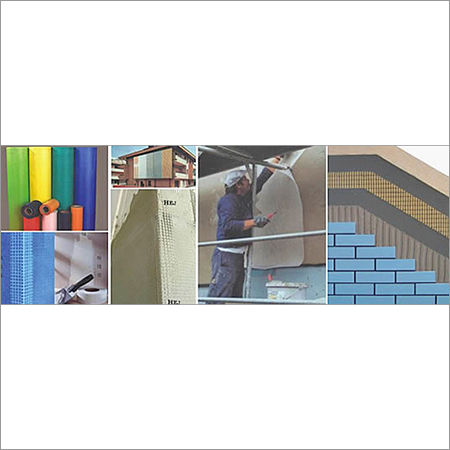
Application: - Wall-reinforce
- Out-side wall heat insulation and waterproof,
- Reinforcement of plastic, bitumen, plaster, marble, mosaic, etc.
- Ideal engineering material in construction.
Specification :
| Width | 4", 6", 8", 100 cm, 200 cm |
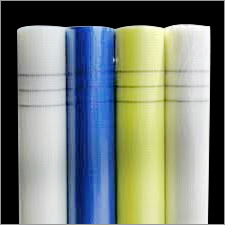
| Roll length | 50 , 100 mtrs |
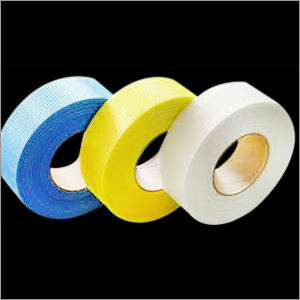
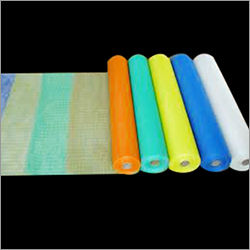
| Color | White(standard), blue, yellow, green, red or as required by customer |
| Mesh size | 2.5x2.5 mm, 3x3 mm, 4x4 mm, 4x5 mm, 5x5 mm, 8x8 mm, 10x10 mm. |
| Weight | 45gsm~600gsm |
Unparalleled Durability and StrengthFiberglass Mesh Fabric is engineered to withstand rigorous conditions in construction environments. Its superior breaking strength and non-flammable nature make it ideal for reinforcing walls, repairing cracks, and supporting cement, marble, or mosaics. The fabric maintains structural integrity even in challenging environments thanks to its moisture, acid, and alkali resistance.
Versatile Applications Across ConstructionThis mesh fabric serves various purposes, including wall reinforcement, waterproofing, and jointing plasterboards. Its customizable dimensions and roll form allow easy integration into numerous construction projects, ensuring efficiency and adaptability across tasks such as plastering, strengthening cracked surfaces, and enhancing marble or mosaic installations.
Long-lasting Performance and SafetyEngineered with an alkali-resistant surface coating and manufactured from E-glass, the mesh offers fire resistance and withstands temperatures up to 550C. These features combine to guarantee a lifespan of over 20 years under normal conditions, providing reliable protection and support throughout the products life cycle.
FAQs of Fiberglass Mesh Fabric:
Q: How is fiberglass mesh fabric used in construction projects?
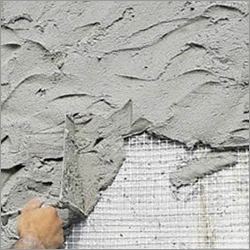
A: Fiberglass mesh fabric is primarily used for wall reinforcement, crack repairs, waterproofing, and jointing plasterboards. It is applied by embedding the mesh into wet plaster or adhesive, strengthening the surface and preventing cracking over time.
Q: What are the benefits of using alkali-resistant E-glass in fiberglass mesh fabric?
A: E-glass provides excellent resistance to alkalis, ensuring the mesh fabric retains its integrity when exposed to cement, mortar, and other construction materials. This results in a longer service life and superior durability in harsh environments.
Q: When should fiberglass mesh fabric be utilized for crack repairs?
A: It is recommended to use fiberglass mesh fabric during the early stages of crack repair, especially when preparing surfaces for plastering or reinforcement. Incorporating the mesh at this stage helps prevent future cracking and strengthens the repaired area.
Q: Where can fiberglass mesh fabric be applied?
A: This fabric can be applied to interior and exterior walls, ceilings, floors, joints between plasterboards, and surfaces scheduled for mosaic or marble installation. Its versatility makes it suitable for diverse construction settings.
Q: What process is followed for installing fiberglass mesh fabric?
A: Installation involves cutting the mesh to required dimensions, embedding it into freshly applied plaster, cement, or adhesive, and smoothing out any wrinkles. After application, further finishing or coating may be performed as needed for the specific project.
Q: What advantages does fiberglass mesh fabric offer over traditional reinforcement methods?
A: Fiberglass mesh fabric provides superior strength, moisture resistance, fire resistance, and longevity compared to traditional metal lath or wire reinforcement. It is also easier to handle and install, reducing labor time and improving project outcomes.




 Send Inquiry


 Send Inquiry