About Glass Fabrics
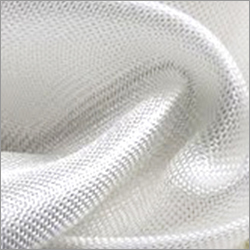
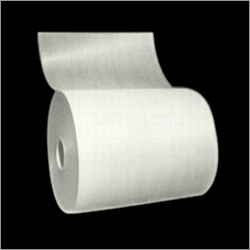
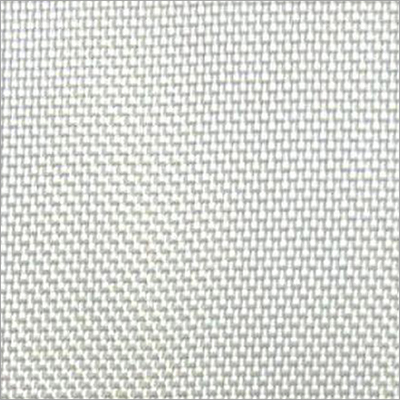
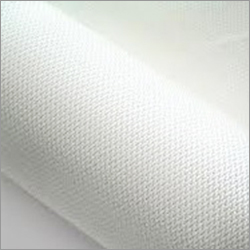
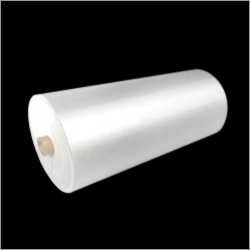
We are the largest Importers & Traders of Fibre Glass Fabrics in India. Following are the various fabrics which import & trade : - GSM : 105, 205, 280, 400, 430, 630, 840, 975 GSM
- Widths 100 cm to 130 cm
- Fiberglass is an immensely versatile material due to its light weight, inherent strength, weather-resistant finish and variety of surface textures.
Examples of fiberglass use
- Surfboards, tent poles
- Gliders, kit cars, sports cars, microcars, karts, bodyshells, boats, kayaks, flat roofs, lorries, K21 Infantry Fighting Vehicle
- Minesweeper hulls
- Pods, domes and architectural features where a light weight is necessary
- High-end bicycles[citation needed]
- Auto body parts, and entire auto bodies (e.g. Anadol, Reliant, Quantum Quantum Coupe, Chevrolet Corvette and Studebaker Avanti, and DeLorean DMC-12 under body)
- Antenna covers and structures, such as radomes, UHF broadcasting antennas, and pipes used in hex beam antennas for amateur radio communications
- FRP tanks and vessels: FRP is used extensively to manufacture chemical equipment and tanks and vessels. BS4994 is a British standard related to this application.
- Most commercial velomobiles
- Most printed circuit boards consist of alternating layers of copper and fibre glass FR-4
- Large commercial wind turbine blades
- RF coils used in MRI scanners
- Sub-sea installation protection covers
- Reinforcement of asphalt pavement, as a fabric or mesh interlayer between lifts[20]
- Helmets and other protective gear used in various sports
- Orthopedic casts[21]
- Fiberglass grating is used for walkways on ships and oil rigs, and in factories
- Fiber-reinforced composite columns
Exceptional Thermal & Flame ResistanceGlass fabrics provide unwavering performance in environments up to 550C, with a melting point of approximately 840C. Non-combustible and crafted for superior fire safety, they deliver reliable protection for applications in insulation and fireproofing. Their low thermal conductivity also enhances energy efficiency in industrial settings.
Versatile Applications Across IndustriesWhether for industrial insulation, roofing, electrical insulation, or composite reinforcement, these fabrics adapt easily thanks to customizable dimensions, various coatings, and form factors like rolls, sheets, and cut pieces. Compatible with common resin systems, they integrate seamlessly into manufacturing processes.
Engineered for Durability and LongevityWith high tensile strength, low moisture absorption, and strong UV stability when coated, glass fabrics are engineered to last. Their woven construction, available in multiple thicknesses and surface treatments, resists wear and maintains performance under demanding conditions.
FAQs of Glass Fabrics:
Q: How are glass fabrics with high tensile strength used in industrial applications?
A: These fabrics are commonly employed for industrial insulation, fireproofing, roofing, and electrical insulation. Their high tensile strength ensures structural reliability in demanding conditions, while their compatibility with epoxy and polyester resins makes them suitable for composite fabrication and lightweight structural components.
Q: What makes glass fabrics flame resistant and suitable for high-temperature environments?
A: Manufactured from E-Glass fibres, glass fabrics are inherently non-combustible and withstand continuous working temperatures up to 550C. Their melting point of approximately 840C, along with low thermal conductivity, makes them ideal for thermal and fire protection applications.
Q: When should I choose a coated versus uncoated glass fabric?
A: Coated fabrics (such as silicon, PTFE, or graphite) provide enhanced UV stability, chemical resistance, and surface protection for challenging environments. Uncoated fabrics are suitable when such protection is unnecessary or when direct resin compatibility is required.
Q: Where are glass fabrics commonly installed or applied?
A: Glass fabrics are used in a variety of industrial locations, including manufacturing plants, power generation facilities, construction sites for roofing, and in composite workshops for reinforcement or insulation purposes.
Q: What is the process for customizing glass fabrics to specific requirements?
A: The manufacturer can customize dimensions (length, width, thickness), coatings, and packaging based on customer needs. Customers specify size (widths from 1m to 2m, thickness from 0.1mm to 3mm), coating type, and desired form (rolls, sheets, cut pieces), with weight per roll also adjustable.
Q: How does water absorption and moisture resistance benefit glass fabrics in humid environments?
A: With water absorption below 0.1% and excellent moisture resistance, glass fabrics retain mechanical properties and dimensional stability in damp or humid environments, ensuring reliable long-term performance.




 Send Inquiry


 Send Inquiry