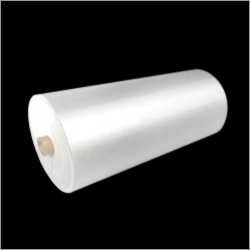
About Fiber Transparent Glass Fabrics
We are the largest Importers & Traders of Fibre Glass Fabrics in India. Following are the various fabrics which import & trade : - GSM : 105, 205, 280, 400, 430, 630, 840, 975 GSM
- Widths 100 cm to 130 cm
- Fiberglass is an immensely versatile material due to its light weight, inherent strength, weather-resistant finish and variety of surface textures.
Examples of fiberglass use
- Surfboards, tent poles
- Gliders, kit cars, sports cars, microcars, karts, bodyshells, boats, kayaks, flat roofs, lorries, K21 Infantry Fighting Vehicle
- Minesweeper hulls
- Pods, domes and architectural features where a light weight is necessary
- High-end bicycles[citation needed]
- Auto body parts, and entire auto bodies (e.g. Anadol, Reliant, Quantum Quantum Coupe, Chevrolet Corvette and Studebaker Avanti, and DeLorean DMC-12 under body)
- Antenna covers and structures, such as radomes, UHF broadcasting antennas, and pipes used in hex beam antennas for amateur radio communications
- FRP tanks and vessels: FRP is used extensively to manufacture chemical equipment and tanks and vessels. BS4994 is a British standard related to this application.
- Most commercial velomobiles
- Most printed circuit boards consist of alternating layers of copper and fibre glass FR-4
- Large commercial wind turbine blades
- RF coils used in MRI scanners
- Sub-sea installation protection covers
- Reinforcement of asphalt pavement, as a fabric or mesh interlayer between lifts[20]
- Helmets and other protective gear used in various sports
- Orthopedic casts[21]
- Fiberglass grating is used for walkways on ships and oil rigs, and in factories
- Fiber-reinforced composite columns
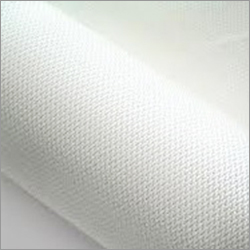
Exceptional Strength with TransparencyEngineered with E-Glass fibers and a transparent polymer coating, these fabrics maintain a high tensile strength without sacrificing clarity. The combination ensures dependable reinforcement while keeping the material visibly clear, making it ideal for applications where both performance and aesthetics matter.
Versatile Industrial ApplicationsFrom heat insulation in aerospace to waterproofing in construction and marine projects, Fiber Transparent Glass Fabrics support a wide array of needs. Their capability to resist high temperatures, flames, and moisture makes them a mainstay where environmental challenges require top-tier material solutions.
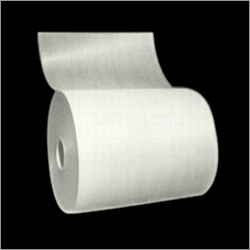
Reliable Long-Term PerformanceWith a 24-month shelf life and robust resistance against weather, moisture, and thermal extremes, these glass fabrics provide consistent performance. They are conveniently packaged in rolls, facilitating streamlined handling, storage, and installation across various industry sectors.
FAQs of Fiber Transparent Glass Fabrics:
Q: How are Fiber Transparent Glass Fabrics typically installed in different industries?
A: These fabrics are usually unrolled and cut to the required size, then applied using adhesives, mechanical fasteners, or lamination methods. Their flexibility and strength allow for easy integration into construction, marine, or automotive projects.
Q: What are the main benefits of using Fiber Transparent Glass Fabrics in heat insulation and reinforcement applications?
A: They offer excellent insulation properties with a thermal conductivity of 0.035 W/mK and can withstand temperatures up to 550C. Their high tensile strength and flame resistance make them effective for structural reinforcement while maintaining transparency and lightweight characteristics.
Q: Where can these glass fabrics be used for waterproofing needs?
A: These fabrics are widely used for waterproofing in construction, marine hulls, and roofing. Their moisture-resistance and seamless rolls ensure a uniform, protective barrier against water ingress in critical environments.
Q: What is the process behind manufacturing these woven glass fabrics?
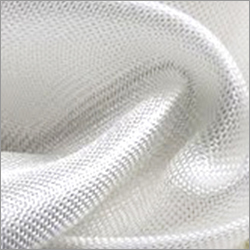
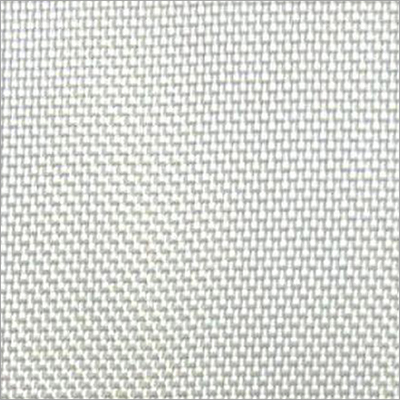
A: The process starts with weaving high-quality E-Glass fibers into plain or twill patterns, followed by surface treatment with a transparent polymer coating. The finished fabric is then rolled to specified dimensions and thicknesses as per industry requirements.
Q: When should these fabrics be replaced or inspected?
A: It is advisable to inspect the fabrics regularly, especially before and after harsh exposure in demanding environments. Replacement should be considered if mechanical damage, deterioration, or loss of performance is observed, or after the end of their 24-month shelf life.
Q: How do the different thickness and GSM options affect usage?
A: Thinner, lower GSM fabrics are used for lightweight applications where flexibility is needed, while thicker, higher GSM options provide enhanced durability, insulation, and reinforcement for more demanding structural projects.




 Send Inquiry


 Send Inquiry