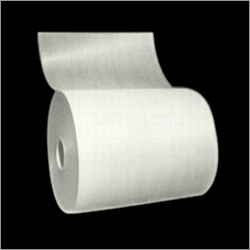
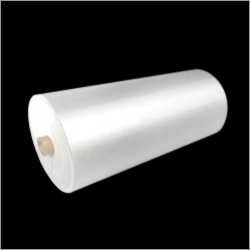
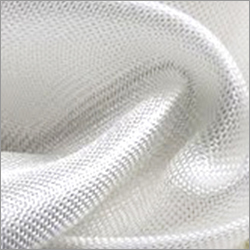
About Fiberglass Fabrics Roll
We are the largest Importers & Traders of Fibre Glass Fabrics in India. Following are the various fabrics which import & trade : - GSM : 105, 205, 280, 400, 430, 630, 840, 975 GSM
- Widths 100 cm to 130 cm
- Fiberglass is an immensely versatile material due to its light weight, inherent strength, weather-resistant finish and variety of surface textures.
Examples of fiberglass fabric use
- Surfboards, tent poles
- Gliders, kit cars, sports cars, microcars, karts, bodyshells, boats, kayaks, flat roofs, lorries, K21 Infantry Fighting Vehicle
- Minesweeper hulls
- Pods, domes and architectural features where a light weight is necessary
- High-end bicycles[citation needed]
- Auto body parts, and entire auto bodies (e.g. Anadol, Reliant, Quantum Quantum Coupe, Chevrolet Corvette and Studebaker Avanti, and DeLorean DMC-12 under body)
- Antenna covers and structures, such as radomes, UHF broadcasting antennas, and pipes used in hex beam antennas for amateur radio communications
- FRP tanks and vessels: FRP is used extensively to manufacture chemical equipment and tanks and vessels. BS4994 is a British standard related to this application.
- Most commercial velomobiles
- Most printed circuit boards consist of alternating layers of copper and fibre glass FR-4
- Large commercial wind turbine blades
- RF coils used in MRI scanners
- Sub-sea installation protection covers
- Reinforcement of asphalt pavement, as a fabric or mesh interlayer between lifts[20]
- Helmets and other protective gear used in various sports
- Orthopedic casts[21]
- Fiberglass grating is used for walkways on ships and oil rigs, and in factories
- Fiber-reinforced composite columns
Versatile Applications Across IndustriesOur fiberglass fabric rolls serve multiple sectors, including aerospace, marine, automotive, building construction, electrical, and fire protection. They are especially valued for their performance in thermal insulation, reinforcement of composites, filtration, and providing robust electrical insulation. The specialized weave and surface coating options allow customization to precise application requirements.
Exceptional Performance and DurabilityEngineered from high-quality E-glass, these fabrics deliver outstanding mechanical, thermal, and electrical properties. The silane or starch-coated surface enhances compatibility with various matrices, ensuring superior reinforcement. Their resistance to chemicals and corrosion, combined with an elastic modulus of 72 GPa, makes them a reliable choice for long-term use in harsh environments.
FAQs of Fiberglass Fabrics Roll:
Q: How should I store fiberglass fabric rolls to maintain their quality?
A: Fiberglass fabrics should be stored in a cool, dry place, protected from moisture and direct sunlight, to preserve their optimal performance and prevent any degradation over time.
Q: What are the main benefits of using E-glass fiberglass fabric in industrial applications?
A: E-glass fiberglass fabric offers excellent tensile strength, fire resistance, low thermal conductivity, and superior electrical insulation. It resists most chemicals and corrosion, making it durable for aerospace, construction, marine, and automotive uses.
Q: When is it appropriate to use fiberglass fabric rolls for thermal insulation?
A: These rolls are ideal for thermal insulation tasks where high temperature resistance (up to 550C), low moisture content, and low thermal conductivity are required, such as in manufacturing plants, building insulation, and fire protection barriers.
Q: Where can fiberglass fabrics with acrylic or PTFE coating be utilized?
A: Fiberglass fabrics with specialized coatings like acrylic or PTFE increase chemical resistance and surface durability, making them suitable for environments that demand extra protection, such as chemical plants, filtration systems, and marine structures.
Q: What process is involved in manufacturing these fiberglass fabric rolls?
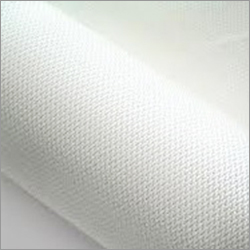
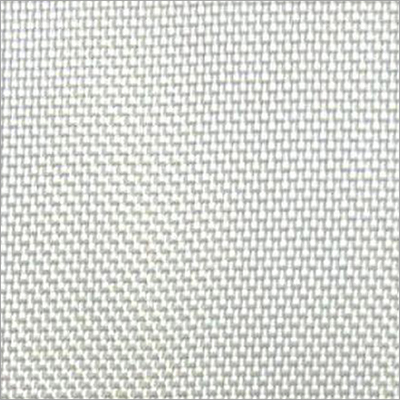
A: These rolls are produced by weaving E-glass fibers in plain, twill, or satin patterns, followed by silane or starch surface treatments and optional acrylic or PTFE coatings to enhance performance characteristics. Each roll complies with ASTM D579 / IS 13262 standards.
Q: How are fiberglass fabric rolls commonly used for reinforcement in composites?
A: Fiberglass fabrics are integrated into composite structures to boost strength and rigidity without significant weight addition. Their high elastic modulus and chemical resistance make them essential for aerospace, automotive, and construction composite components.




 Send Inquiry


 Send Inquiry