About Laminated Fiber Glass Fabrics
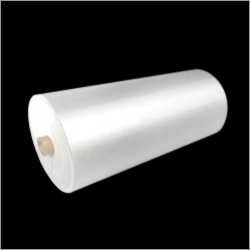
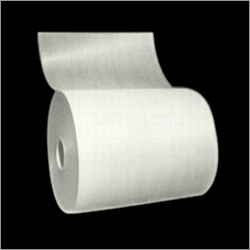
We are the largest Importers & Traders of Fibre Glass Fabrics in India. Following are the various fabrics which import & trade :
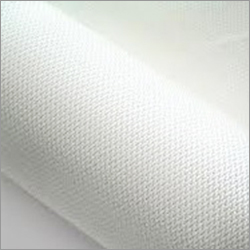
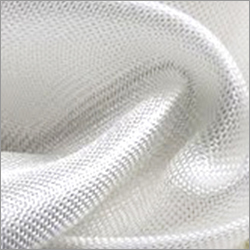
Style 7628, Style 2116 Loom State as well as Desized & Silane Treated Fabrics.
Fiberglass is an immensely versatile material due to its light weight, inherent strength, weather-resistant finish and variety of surface textures.
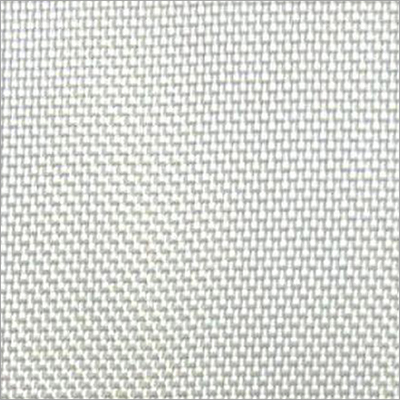
It is a kind of alkali-free glass fiber fabrics produced by utilizing abroad advanced technology and equipment. By means of a surface treatment it has excellent electro-insulation property and workability. It is used mainly in printed circuit boards, and is also used as base materials for computers and home electro-devices.
Specification :
| Model | Linear Density (tex) | Warp/weft Density | Area Weight
(g) | Width | Weave |
| Warp | Weft | Warp | Weft |
| Style 7628 | 68 | 68 | 43/Inch | 32/Inch | 205 + 5 | 100-130 cm | Plain |
| Style 2116 | 22 | 22 | 60/Inch | 58/Inch | 106 + 5 | 100-130 cm | Plain |
Electronic :
- Our glass fabrics used as reinforcement for copper clad laminates.
- Fabrics are available with finishes compatible with all resin systems.
Composites :
- Glass fibre-reinforced composites are distinguished by their excellent strength and weight ratio.
- High-performance fibres are generally characterized by outstanding performance in terms of tensile strength, operation temperature, oxygen index and chemical stability.
- Application of numerous fabrics in this range is the aviation.
- These fabrics are approved LN 9169 German aircraft specification corresponding to the different material sheets.
Superior Electrical and Thermal InsulationOur laminated fiber glass fabrics are engineered for demanding insulation tasks, delivering high dielectric and thermal resistance. Ideal for applications in electrical equipment, electronics, and safety-critical aerospace components, they reliably withstand intense thermal loads up to 550C. Their moisture resistance and self-extinguishing features ensure safe operation in diverse conditions.
Customization for Unique RequirementsWe offer customizable options for dimensions, thickness (0.10 mm to 5.00 mm), GSM (100800), and finishes (matte, glossy, or smooth), ensuring a perfect fit for your industrial or commercial needs. Choose your preferred packing typerolls or sheetsand select coatings such as epoxy, silicone, or PTFE to match your projects demands.
Reliable Performance in Multiple IndustriesOur fiber glass fabrics serve a broad spectrum of sectors including aerospace, electronics, electrical, industrial, and automotive. Their high tensile strength, flame retardance, and low thermal conductivity support robust insulation, composite manufacture, and safety standards in critical environments across India.
FAQs of Laminated Fiber Glass Fabrics:
Q: How are laminated fiber glass fabrics used in electrical and thermal insulation?
A: Laminated fiber glass fabrics act as reliable barriers in electrical and thermal insulation, thanks to their high dielectric strength and low thermal conductivity. Their use is common in electrical panels, printed circuit boards, and heat shields to protect sensitive components from heat and electrical hazards.
Q: What customization options are available for laminated fiber glass fabrics?
A: Customers can request specific thickness (0.10 mm to 5.00 mm), GSM (100800), finishes (smooth, glossy, matte), colors, and dimensions to suit unique application needs. Packing options include rolls or sheets, and coatings such as epoxy, silicone, or PTFE are available upon request.
Q: When should laminated fiber glass fabrics be chosen over other insulation materials?
A: Laminated fiber glass fabrics are preferred when high tensile strength, superior fire safety (self-extinguishing), and excellent electrical insulation are needed, especially in applications exposed to high temperatures or requiring robust dielectrics, such as aerospace, automotive, and industrial electronics.
Q: Where are laminated fiber glass fabrics commonly applied?
A: These fabrics are widely used in electrical insulation, thermal protection for electronics, composite laminates, printed circuit boards, and high-performance automotive and aerospace structures, particularly where heat resistance and flame retardance are critical.
Q: What is the process for manufacturing laminated fiber glass fabrics?
A: Laminated fiber glass fabrics are produced by weaving E-glass yarns and treating the surface with a laminated coatingtypically epoxy, silicone, or PTFEwhich enhances strength, electrical properties, and flame resistance, resulting in a durable and high-performing product.
Q: How does the flame resistance feature benefit users?
A: Self-extinguishing and flame-retardant properties provide a vital safety advantage, especially in environments prone to fire risks. These features limit the spread of flames and help meet stringent fire safety regulations in industrial and commercial settings.
Q: What makes the tensile and flexural strength of these fabrics excellent?
A: Utilizing E-Glass and advanced laminating techniques, these fabrics achieve superior mechanical strength, making them resistant to stretching and bending under loadideal for demanding insulation and structural composite applications.




 Send Inquiry


 Send Inquiry